The Myth of the Lost Cause
Part 1: The Birth of the Myth (1861–1877)
How a defeated nation began rewriting its own history
before the guns even fell silent
HIST 101 · U.S. History to 1877
⌨️ Keyboard Shortcuts
| → / ← | Next / Previous slide |
| F | Fullscreen mode |
| S | Speaker notes view |
| O / Esc | Overview mode |
| B / . | Blackout screen |
| ? | Show all shortcuts |
Tip: Press S on a second monitor for presenter view with notes.
Charlottesville, 2017
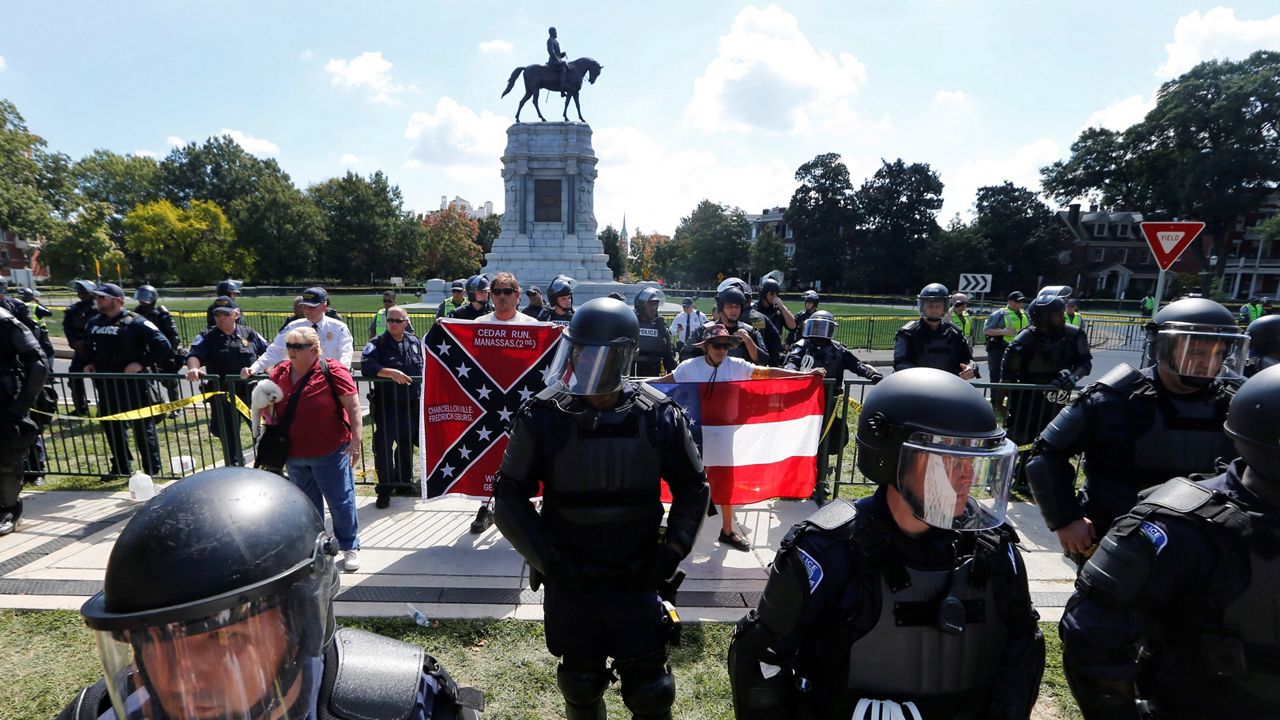
In the summer of 2017, Charlottesville, Virginia became a battleground—not over territory, not over resources, but over a bronze statue of a man who had been dead for more than a hundred years.
- Thousands gathered over a statue of Robert E. Lee
- Confederate flags and torches filled the streets
- Lives were lost in the violence
The question: Why would anyone care that much about a statue?
What Historians Mean by "Myth"
Common Misunderstanding
Many people think "myth" simply means something false, a lie, or a made-up story.
Academic Definition
A foundational narrative is a story a community tells itself to explain who they are, where they came from, and what they value.
Myths can contain facts, but their power comes from meaning, not accuracy.
Foundational Narrative
In academic usage, a "myth" is a shared story that shapes collective identity and values. Think of:
- American founding myths: "City on a Hill," "All men are created equal"
- Frontier myth: The West as empty land of opportunity
- Lost Cause: The Confederacy as noble, defeated by numbers alone
These stories aren't simply "true" or "false"—they're powerful. They shape laws, policies, and identities.
The Lost Cause is exactly this kind of myth: a carefully constructed narrative that shaped how millions of Americans understood the Civil War, Reconstruction, and race relations for over a century.
The Myth Begins During the War
Here's the surprising thing:
The Lost Cause didn't begin after the South lost.
It began while Confederate soldiers were still dying in the field.
Understanding this timing explains why the myth proved so durable.
Interpretive Scaffolding
What is it? Frameworks of meaning constructed to explain suffering and justify sacrifice during the war itself.
Who built it? Southern writers, clergy, military officers, and newspaper editors working together—sometimes consciously, sometimes not.
What questions did it answer?
- Why are so many young men dying?
- What are they dying for?
- What would it mean if they lost?
Why "scaffolding"? Like construction scaffolding, these frameworks supported the building of a larger structure—the full Lost Cause mythology that would develop after the war. The scaffolding came first; the monument came later.
The Psychology of Sacrifice
The Dead of Antietam — Alexander Gardner’s 1862 photographs forced Americans to confront the cost of war not as abstraction, but as bodies, names, and irreversible loss.
As death tolls mounted, Southern communities asked:
- Why are so many young men dying?
- What are they dying for?
- What would it mean if they lost?
The myth begins as a coping mechanism.
It was built on real grief, real sacrifice, real psychological need.
The Five Core Claims
Claim A: The war was not about slavery.
Claim B: Enslaved people were loyal and content.
Claim C: Confederate leaders were saints, and defeat was honorable.
Claim D: Southern society was harmonious and superior.
Claim E: Fanatical abolitionists caused the war.
Let's examine each claim and understand why it emerged.
Claim A: The War Was Not About Slavery
The Claim
The Confederacy fought for liberty, constitutional principle, or self-defense against Northern aggression—anything but slavery.
Why did this claim emerge?
The answer lies in moral positioning:
- If slavery is central, the cause becomes morally indefensible
- Nobody wants to believe they're dying for something evil
- Reframing as "liberty" casts Confederates as heirs of the Revolution
Moral Positioning
Definition: The process by which individuals or groups frame their actions in morally favorable terms, especially when the actual motivations might be seen as problematic.
In the Lost Cause context:
- If the war is about slavery, Confederates are fighting to preserve bondage
- If the war is about "liberty" or "states' rights," Confederates become freedom fighters
- The reframing happens not just for outside audiences, but for Confederates themselves—to maintain morale and self-respect
By reframing the war as a fight for constitutional principles, Southern writers could cast themselves as the heirs of the American Revolution rather than defenders of human bondage.
Claim B: Enslaved People Were Loyal and Content
The Claim
Enslaved people were "faithful," "loyal," and happy with their condition. They "protected" plantations and mourned Confederate defeats.
Why did this claim emerge?
- Calmed fears of insurrection: With white men away at war, stories of loyalty managed anxiety
- Justified slavery itself: If enslaved people were happy, slavery couldn't be evil
- Framed slavery as "benevolent": Masters "providing for" those who couldn't care for themselves
The narrative persisted because it needed to persist—it was too psychologically necessary to abandon.
Robert E. Lee: The Reluctant Warrior
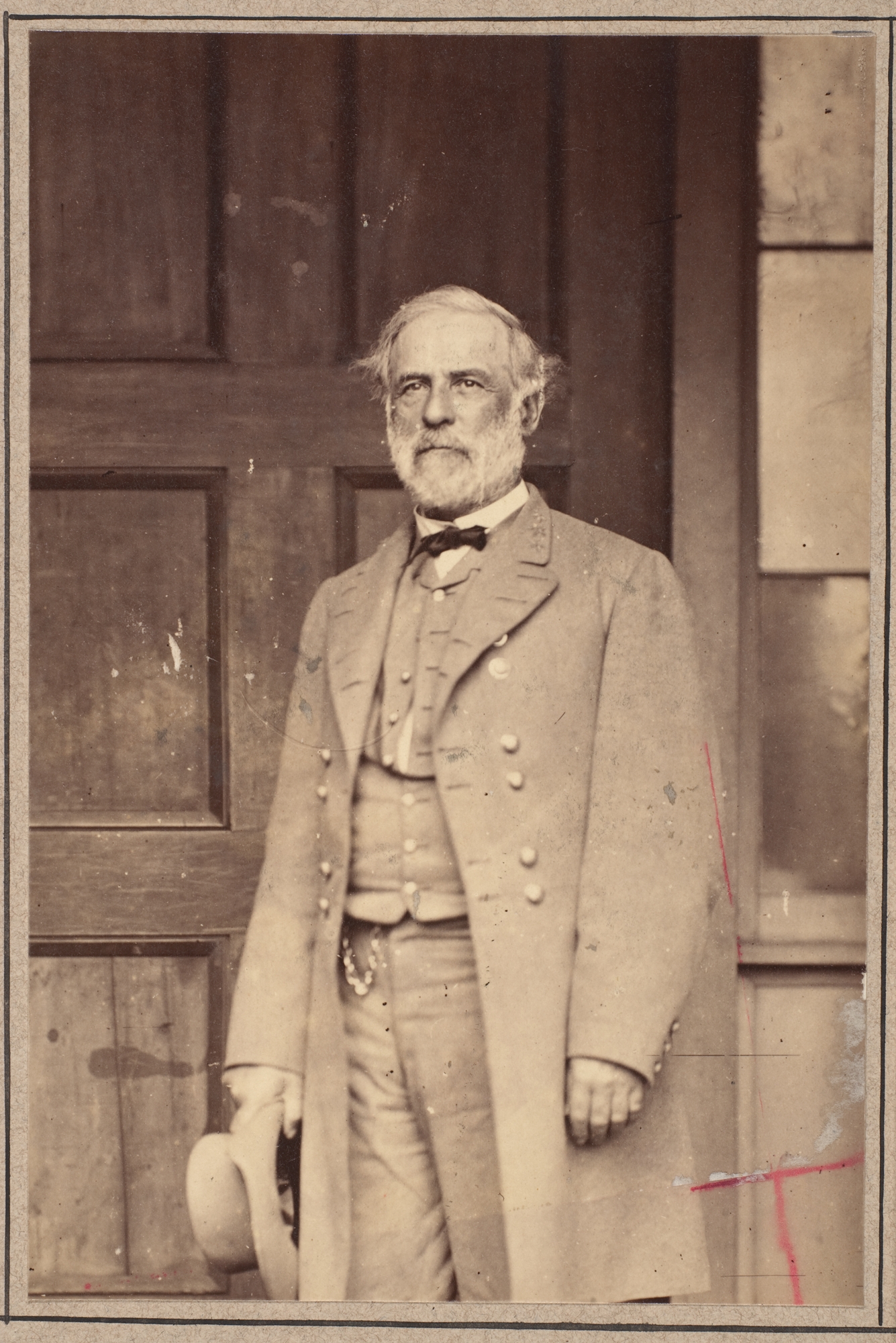
In Lost Cause mythology, Lee became the embodiment of martial virtue:
- Dignified, brilliant, self-sacrificing
- Noble even in defeat
- A "reluctant warrior" who loved the Union
- Could not bear to raise his sword against Virginia
This narrative made Lee sympathetic even to Northerners and helped blur the moral lines of the conflict.
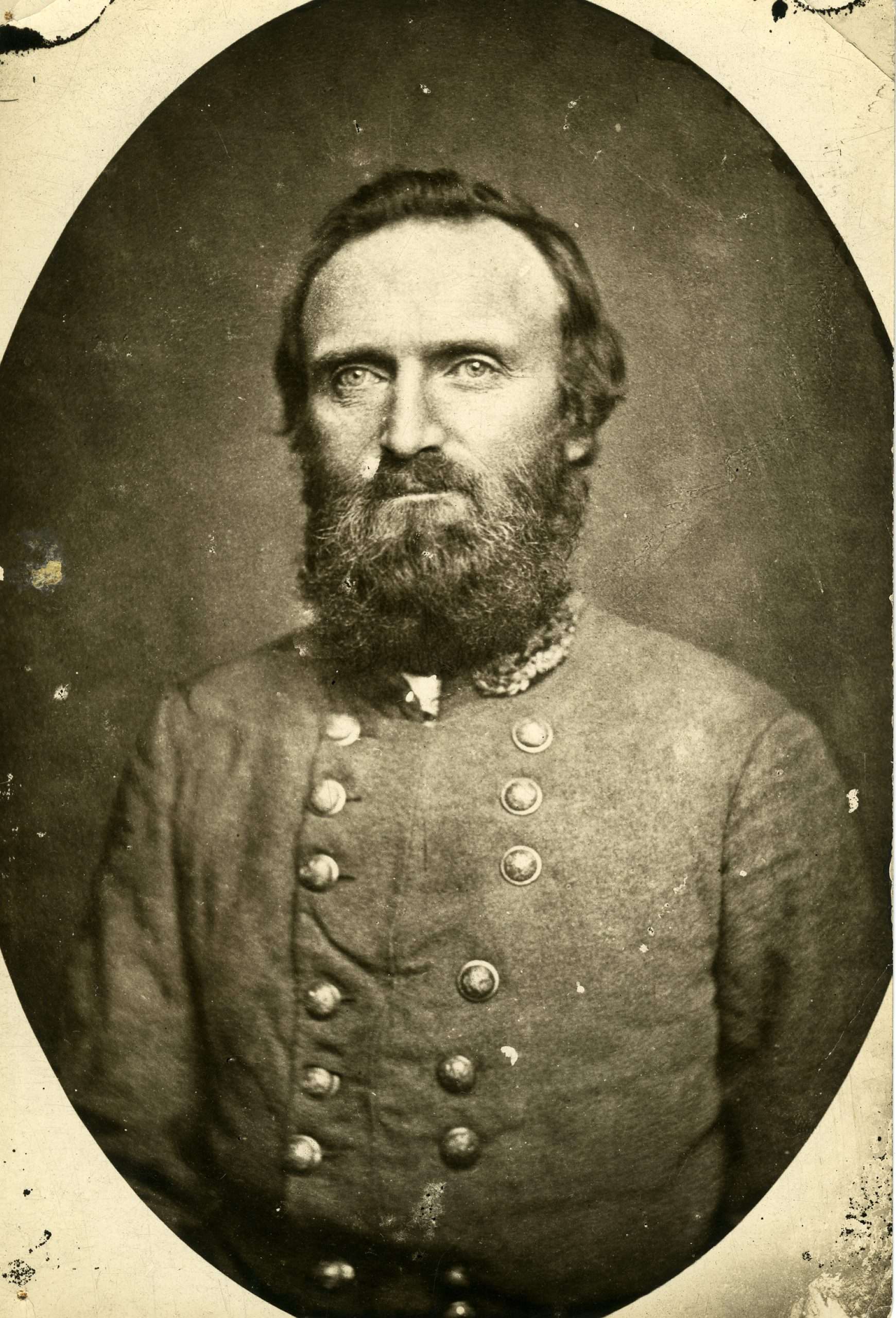
Stonewall Jackson: The Providential Martyr
Jackson was wrapped in providential mysticism:
- Shot accidentally by his own men after Chancellorsville in May 1863
- His death interpreted through a religious lens
- Became a martyr figure
- Some suggested Confederate defeats were punishment for not being worthy of such a godly leader
This framing turned a devastating military loss into something spiritually meaningful.
Providential Mysticism
Definition: Interpreting events as part of God's divine plan, especially when those events are unexpected or tragic.
Applied to Jackson: Rather than seeing his death as a military tragedy or mistake, Lost Cause mythology interpreted it through a religious lens:
- Jackson's death was part of God's inscrutable plan
- He was "too good" for this fallen world
- Some suggested the Confederacy's subsequent defeats were punishment for not being worthy of such a godly leader
James Longstreet: The Scapegoat
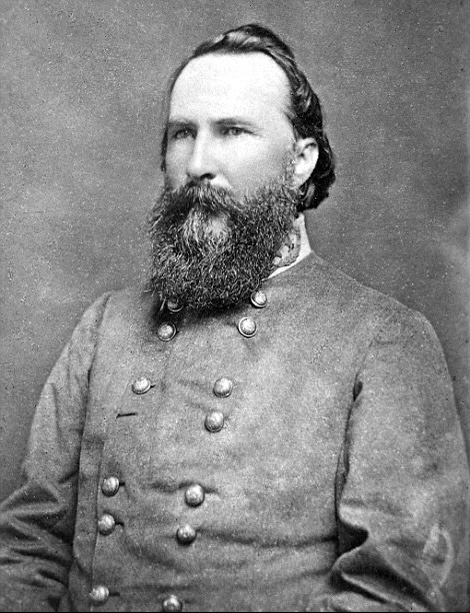
During the war: One of Lee's most trusted subordinates
In Lost Cause mythology: Recast as the "Betrayer of Gettysburg"
- Blamed for hesitation and errors that cost victory
- After the war, committed the "unforgivable sin": became a Republican
- Supported Reconstruction
Function: Blaming Longstreet explained defeat without tarnishing Lee's perfection
Explaining Defeat: Overwhelming Numbers
If Confederate leaders were brilliant and Confederate soldiers were brave, why did the South lose?
The Lost Cause Answer
The North simply had more men, more factories, more railroads, more everything.
- The Confederacy was portrayed as a noble David against an industrial Goliath
- Losing not because of flawed leadership or unjust cause
- Simply outweighed by sheer material force
This explanation preserved honor while explaining failure.
Claim D: Southern Society Was Harmonious
The Cavalier Myth
Southern society represented a superior form of civilization: aristocratic honor, social stability, natural hierarchy.
The idealized vision:
- Planters as benevolent patriarchs caring for "extended family"
- Poor whites respecting their betters, aspiring to join the planter class
- Enslaved people grateful for "civilization and Christianity"
- Bonds of honor, duty, and mutual obligation
This would mature into the plantation idyll—moonlight and magnolias, Gone with the Wind.
The Cavalier Myth
The idea that Southern planters descended from English aristocracy (Cavaliers), while Yankees descended from Puritan merchants (Roundheads). This myth portrayed the South as:
- Aristocratic, honorable, chivalrous
- Naturally hierarchical (everyone in their proper place)
- Superior to the vulgar, money-grubbing North
The contrast: Where Northern capitalists exploited workers and discarded them, Southern masters "cared for" enslaved workers from cradle to grave. Where Northern cities were filled with crime and poverty, Southern communities were orderly and stable.
Later development: This would mature into the "plantation idyll"—that vision of moonlight and magnolias, of happy darkies singing in the fields, of beautiful belles and gallant gentlemen. Gone with the Wind is the most famous expression of this myth.

From Claim to Feeling
Claim D gives us the ideological skeleton:
"Southern society was harmonious and superior."
Moonlight and Magnolias is what that claim looks like when turned into story, image, and feeling.
Claim D provides:
- The ideological skeleton
- The argument
- What to think
Moonlight and Magnolias provides:
- Skin, perfume, music, and lighting
- The emotion
- What to feel
It takes hierarchy and converts it into nostalgia.
Moonlight and Magnolias
Definition: The romantic, nostalgic aesthetic through which the Lost Cause becomes emotionally livable, nationally marketable, and morally survivable.
Key features:
- Gracious plantations bathed in soft light
- Beautiful belles and gallant gentlemen
- Loyal, contented enslaved servants
- A world of manners, honor, and refinement
- Loss and longing for "the way things were"
What it does: Transforms the brutality of slavery into scenery. Replaces suffering with romance. Makes hierarchy feel like harmony.
Why it matters: The Lost Cause tells you what to think. Moonlight and Magnolias tells you what to feel while thinking it.
The Elements of the Aesthetic
Moonlight and Magnolias transforms the antebellum South into a lost paradise:

- Setting: Grand plantation homes, sweeping verandas, Spanish moss
- Characters: Noble planters, virtuous ladies, “faithful” servants
- Mood: Elegance, grace, leisure, refinement
- Tone: Wistful, romantic, suffused with loss
- What’s missing: Violence, coercion, resistance, suffering
This aesthetic would spread through plantation fiction, stage melodramas, illustrations, postcards, advertisements—and eventually, Hollywood spectacle.
In Part 2, we’ll see how Gone with the Wind became the definitive expression of this aesthetic—and why that matters.
The Devastation of Defeat
With Confederate collapse in April 1865 came:
- 260,000 dead: nearly 1 in 4 white men of military age
- Cities in ruins, including Atlanta and Richmond
- Economy shattered
- Slavery legally abolished
This was collective trauma. And trauma demands narrative.
The Lost Cause transforms from wartime coping mechanism
into an apologetic project.
Apologetic Project
Note: "Apologetic" doesn't mean "saying sorry"—it comes from the Greek word apologia, meaning defense or justification.
The postwar Lost Cause became a systematic defense with interconnected goals:
- Rationalize military defeat by explaining how a "superior" civilization lost
- Absolve moral responsibility by claiming the fight was for principle, not slavery
- Minimize slavery by pushing it to the margins of the story
- Sanctify leaders by transforming commanders into saints
- Delegitimize Reconstruction by casting it as corrupt "black rule"
- Reinterpret emancipation by framing it as tragic error
Edward A. Pollard and the Naming of the Myth
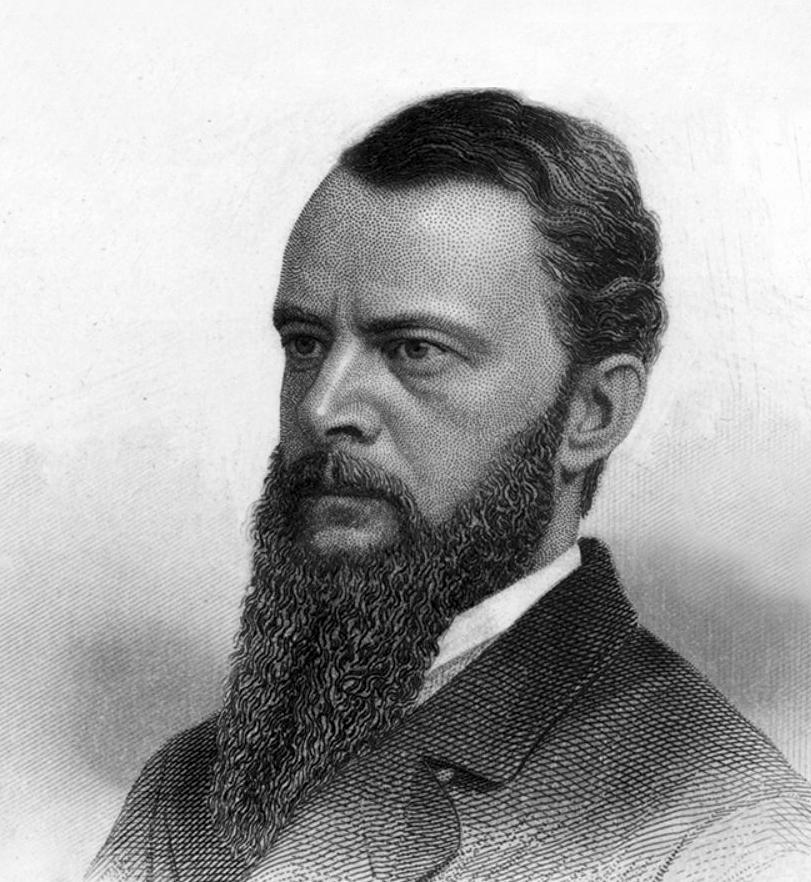
Edward A. Pollard (1832–1872)
Role: Richmond newspaper editor who supported the Confederacy throughout the war
Key Work: The Lost Cause: A New Southern History of the War of the Confederates (1866)
Significance:
- First book to use the term "Lost Cause"
- Framed defeat as "noble tragedy"
- Denied slavery's centrality to the war
- Called for continued cultural war even after military defeat
Pollard's book provided the name and early framework for the entire mythology.
Jubal Early and the Southern Historical Society
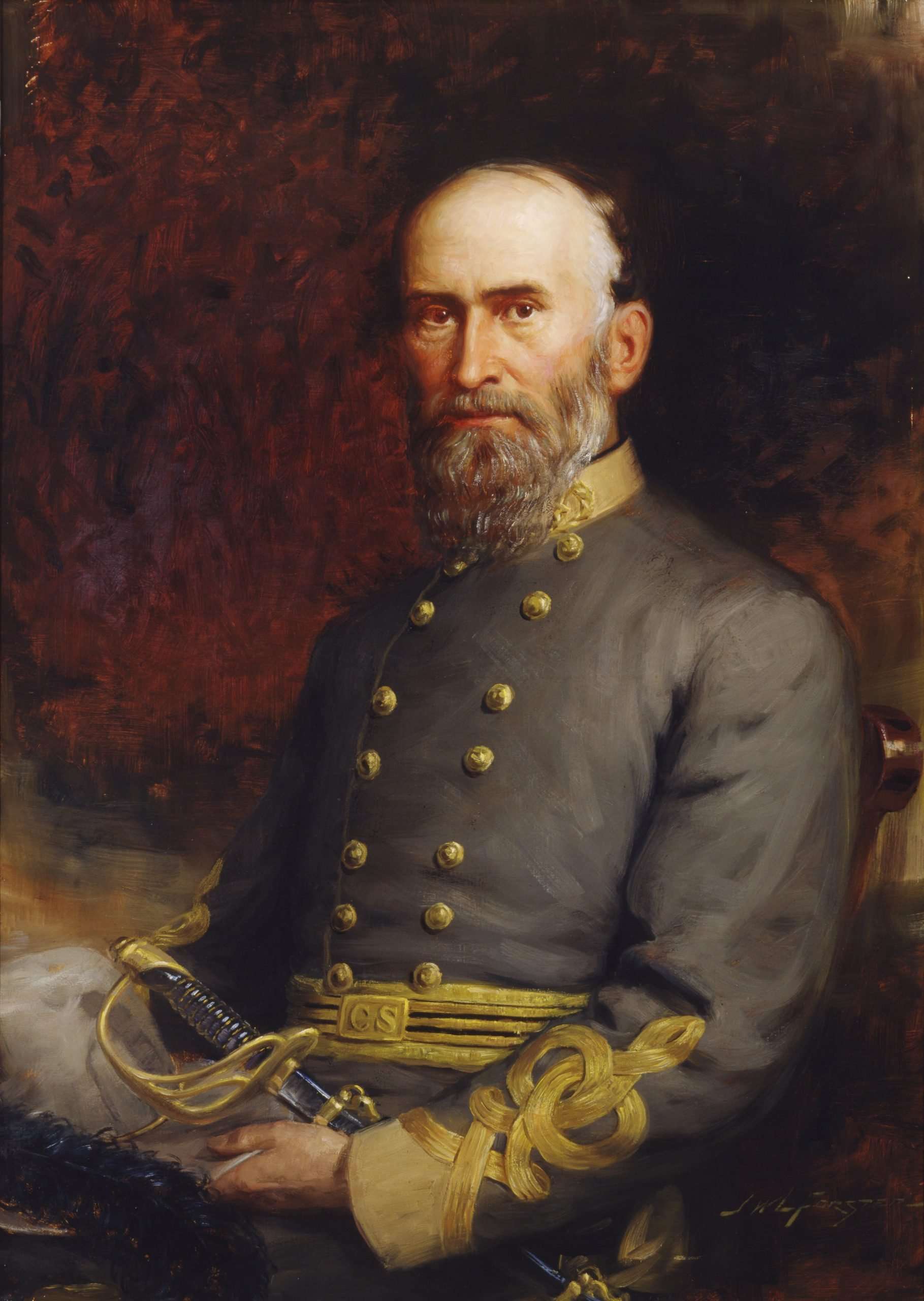
Jubal A. Early (1816–1894)
Role: Former Confederate general who never accepted defeat
Key Work: Led the Southern Historical Society Papers beginning in 1876
The Papers accomplished:
- Collected testimonies from Confederate veterans
- Published battle analyses supporting Lost Cause interpretations
- Created an "authorized version" of Civil War history
- Elevated Lee and Jackson while demonizing Longstreet
Though presented as objective history, the Papers were essentially a sophisticated propaganda operation.
Claim E: Fanatical Abolitionists Caused the War
The Claim
The races lived in harmony until Northern abolitionists—extremists, radicals, fanatics—stirred up trouble and provoked an unnecessary war.
Why did this claim emerge during Reconstruction?
- Slavery was becoming indefensible in public discourse
- Black Americans were exercising political rights
- Openly defending slavery was now socially unacceptable
- Solution: Shift responsibility outward by blaming the abolitionists
This claim served as both scapegoat and moral alibi.
States' Rights: The Essential Question
During Secession (1860-61)
States' rights rhetoric was explicitly connected to slavery:
- Right of states to maintain slavery
- Complaints about threats to slavery
After Defeat (1865 and later)
States' rights becomes a rhetorical refuge:
- Constitutional principle, disconnected from slavery
- Sounds like debates from the founding era
Key fact: The Confederate Constitution prohibited states from abolishing slavery.
1877: The Myth Hardens
As federal enforcement receded:
- Confederate memory entered public ritual
- Sermons interpreted defeat as redemptive sacrifice
- Women's memorial associations formalized mourning
- Cemetery culture transformed loss into devotion
The Lost Cause became a civil religion,
not merely interpretation.
Civil Religion
A set of beliefs, symbols, and rituals that give a political or cultural movement the characteristics of a traditional religion:
- Saints: Lee, Jackson
- Sacred days: Confederate Memorial Day
- Sacred spaces: Cemeteries, monuments
- Rituals: Memorial ceremonies, grave decoration, parades
- Liturgy: Standardized speeches, prayers, catechisms
Loss was transformed into devotion. Defeat was transmuted into moral victory.
The Five Claims of the Lost Cause
Claim A: The war was not about slavery.
Claim B: Enslaved people were loyal and content.
Claim C: Confederate leaders were saints, and defeat was honorable.
Claim D: Southern society was harmonious and superior.
Claim E: Fanatical abolitionists caused the war.
By 1877, the framework for remembering the Civil War was set.
These claims would dominate American memory for nearly a century.
In many ways, they still do.
Coming in Part 2
The Afterlife of the Myth (1877–Present)
- How the United Daughters of the Confederacy controlled textbooks and built monuments
- The Dunning School and academic legitimation
- Birth of a Nation and Gone with the Wind
- The Lost Cause as political technology for Jim Crow
- The second monument wave during the civil rights movement
- Confederate symbols in contemporary politics
How a regional coping mechanism became
a national memory regime.
📝 Consolidated Assessment
Complete all questions, then save or print your work. You will need to select which pages to print; most likely pages 71-76
Upload your pdf file to the assignment dropbox
Your responses auto-save as you type.
Multiple Choice Questions
1. When historians describe the Lost Cause as a "myth," they primarily mean:
2. According to the lecture, the Lost Cause myth began:
3. The narrative of the "loyal slave" served to:
4. In Lost Cause mythology, Confederate defeat at Gettysburg was blamed primarily on:
5. According to the Lost Cause myth, why did the Confederacy lose the war?
6. Edward A. Pollard's 1866 book is significant because it:
7. According to Claim E, the Civil War was caused by:
8. The Southern Historical Society Papers, led by Jubal Early, served primarily to:
9. According to the lecture, the Confederate Constitution's treatment of slavery:
10. The Compromise of 1877 was significant for the Lost Cause because it:
11. By 1877, the Lost Cause had transformed from: